Alloy 20 and 904L: Stainless Options for Sulfuric Acid Service
Sulfuric acid punishes the wrong stainless steel quickly. This article compares Alloy 20 and 904L across concentration and temperature windows, chloride pitting resistance, weldability and cost, and lays out a clear decision logic for valve material selection.
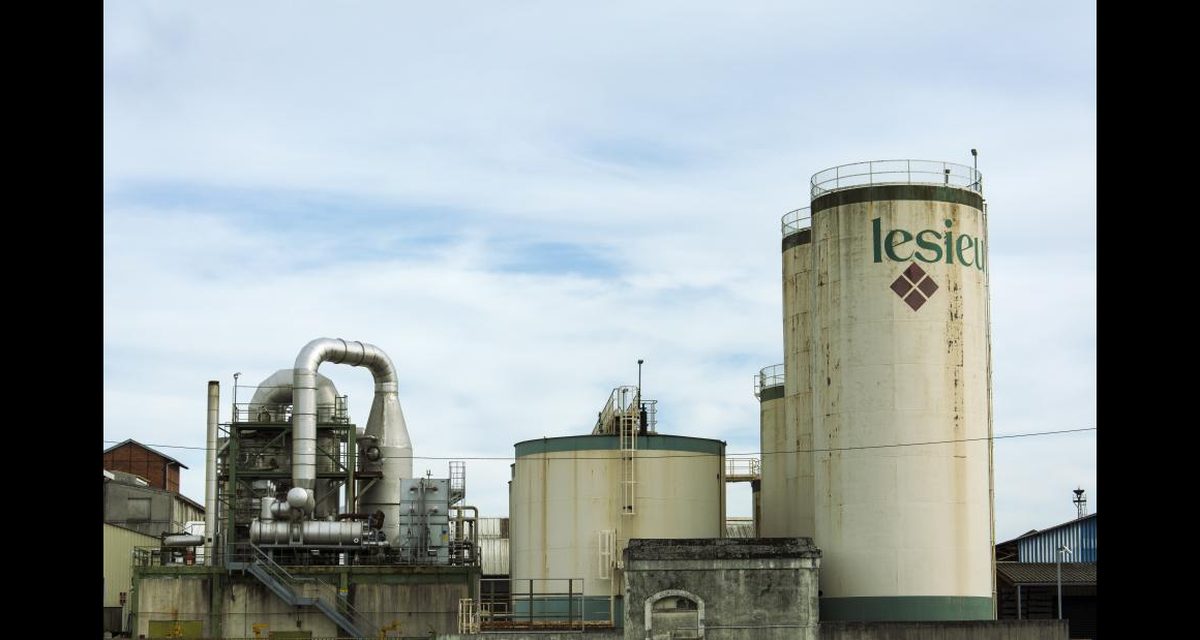
Sulfuric Acid Does Not Follow One Rule
Sulfuric acid is the strangest common corrosive to specify for. Corrosion rate depends on concentration and temperature in a strongly non-linear way, and the best material at one end of the chart can be mediocre at the other. Dilute acid below roughly 10% attacks carbon steel and many stainless steels aggressively. Mid-range concentrations — roughly the 10% to 70% band — form a viscous, passivating layer on suitable alloys, and corrosion behavior becomes a race between film formation and film dissolution as temperature climbs. Concentrated acid above about 93% is actually benign to carbon steel at ambient temperature, which is why tank farms store it unpainted-steel-plain and then plant engineers get surprised by the valves.
Two austenitic alloys occupy most of the stainless-steel territory in this landscape: Alloy 20 and 904L. They are not interchangeable, and the differences trace directly to their chemistry.
Two Alloys, Two Windows
Alloy 20 (UNS N08020) carries roughly 20% nickel, 19–21% chromium, 2–3% molybdenum and — the signature — 3–4% copper. Copper is the key addition for sulfuric acid, because it improves resistance in the mid-concentration ranges where nickel-chromium-molybdenum stainlesses alone falter. Niobium stabilizes the alloy against sensitization during welding. The result is an alloy purpose-built for acid service: it performs well across a wide span of sulfuric concentrations at moderate temperatures, and it holds up in mixed acid-organic streams typical of chemical processing.
904L (UNS N08904) is a super austenitic with about 25% nickel, 20% chromium, 4–5% molybdenum and 1–1.5% copper. Its molybdenum content is roughly double that of Alloy 20, and that shifts its strengths elsewhere: dilute sulfuric acid, sulfuric streams contaminated with chlorides, and mixed-acid environments. In concentrated sulfuric acid at elevated temperature, Alloy 20's higher copper content usually gives it the edge.
In practical terms:
- Mid-concentration sulfuric acid at moderate temperature — Alloy 20 is the natural default.
- Dilute acid, chloride contamination, or mixed media — 904L tends to win.
- Hot concentrated acid above the tolerance of either — the conversation moves to high-silicon stainless steels, lead-lined equipment or brick-lined systems, not stainless selection.
Chlorides Change the Ranking: PREN and Pitting
Real sulfuric acid is rarely pure. Ore leachates, spent acid from alkylation, pickling liquors and recycled streams almost always carry chloride ions, and chloride flips the comparison between the two alloys.
The Pitting Resistance Equivalent Number, PREN = %Cr + 3.3 × %Mo, is the rough screening tool. Alloy 20 sits around a PREN in the high 20s — respectable but not outstanding. 904L, with its higher molybdenum, reaches a PREN around 35, comfortably above the commonly cited 33 threshold where seawater pitting resistance becomes plausible. Add 904L's higher nickel content and it also resists stress corrosion cracking better in chloride-bearing environments.
So the practical hierarchy for contaminated sulfuric acid: as chloride content rises, the argument for 904L strengthens; as the acid gets hotter and more concentrated with little chloride, the argument shifts back to Alloy 20. Specifying either alloy without first pinning down the chloride level in the actual stream is a coin toss.
Welding, Sensitization and the Cost Picture
Both alloys are weldable by conventional processes, but they arrive at weld integrity by different routes.
Alloy 20 is stabilized with niobium, which ties up carbon and suppresses chromium-carbide precipitation in the weld heat-affected zone. Stabilized alloys still need discipline — excessive heat input, slow cooling or improper post-weld heat treatment can precipitate carbides and invite intergranular attack in hot acid. Where a welded Alloy 20 valve body will see aggressive acid, solution annealing after heavy fabrication restores full corrosion resistance.
904L is a low-carbon alloy (the "L") that relies on carbon control rather than stabilization, so sensitization during welding is less of a concern than in legacy austenitics. Its higher alloy content makes it hot-cracking-sensitive and demands clean joint preparation, controlled heat input and proper filler selection — typically 20-25-6 class fillers or matching 904L with appropriate qualification.
For valves, the spec sheet item that matters is simple: welded bodies and hardfaced seats must come with documented welding procedures and, where service is severe, solution-annealed or stress-relieved condition verified by certification. Add procurement reality to the same conversation: both alloys sit well above 316L in price, driven by nickel content — roughly double for 904L versus Alloy 20 — and by molybdenum. In many markets 904L proves harder to source in forged and cast valve components, with longer lead times and minimum-order friction, while Alloy 20 benefits from decades of established castings practice (it originated for exactly this purpose, in sulfuric acid pumps and valves). Neither alloy is exotic anymore, but for a single valve in a non-critical line, availability can be decisive — which is why the selection logic below should include lead time alongside corrosion data.
Lined Valves: The PTFE and PFA Alternative
Before committing to either alloy, compare them honestly against lined equipment. A carbon-steel body lined with PTFE or PFA costs a fraction of a solid Alloy 20 or 904L valve and is chemically inert to sulfuric acid at all concentrations.
The trade-offs are thermal and mechanical:
- Temperature ceiling. PTFE and PFA linings are limited to roughly the low-200s °C at best, and practical lined-valve ratings sit far below that. Hot acid is solid-alloy territory.
- Vacuum and permeation. Linings can collapse under vacuum; PTFE is slightly permeable to acid vapor, and absorbed acid can attack the carbon-steel shell from behind — the classic lined-valve failure mode.
- Permeation and wear. Abrasive solids in the stream erode linings at restrictor points and seat areas faster than they wear a solid alloy.
- Pressure class. Lined valves rarely match the pressure ratings of forged alloy bodies.
The sensible split: lined valves for ambient-temperature, mid-concentration acid in standard pressure classes; solid Alloy 20 or 904L where temperature, vacuum, abrasives or pressure push past lining limits.
Hardfacing and Trim Compatibility
Valve trim in acid service adds a second materials problem: the seating surfaces still need wear resistance. Cobalt-based hardfacing (Stellite-type) is compatible with both alloys and with sulfuric acid, and remains the default for gate and globe seats. Chrome carbide and nitrided surfaces need more caution in acid, and galvanic mismatch between a hardfaced trim and the body alloy is rarely a problem here since both are corrosion-resistant, but weld-overlay dilution must be controlled so the hardface chemistry stays within its qualified range. Springs and live-loading hardware should move to nickel alloys (Inconel-family) rather than relying on 17-4PH or 316, both of which can suffer in acid-carrying atmospheres.
The Decision Logic
Bring the four process variables together in this order:
- Concentration and temperature — plot the exact operating point against both alloys' isocorrosion data; find where the two windows overlap and where they diverge.
- Chloride content — above modest chloride levels, weight the decision toward 904L's higher PREN.
- Velocity and solids — high velocity or entrained solids push toward robust solid-alloy bodies over linings, and toward hardfaced trims.
- Pressure class and temperature limits — if linings are on the table, check vacuum, temperature and rating compatibility first.
- Availability and lead time — the best material on the chart that cannot be delivered when the turnaround starts is the wrong material.
Sleeved and lubricated plug valves are a mainstay of sulfuric acid headers precisely because their simple, wipe-clean sealing geometry suits acid service, and the valve manufacturer can supply plug valves in Alloy 20, 904L and lined constructions for these lines.
A manufacturer that produces the complete valve range in-house — ball valves, control valves, gate valves, globe valves, check valves, strainers, knife gate valves, plug valves and butterfly valves — covers the full spectrum of stainless and specialty alloys for acid service. Send your Valve Schedule, or simply the concentration, temperature, chloride content and pressure class of your sulfuric acid lines, to the manufacturer's engineering team, and they will recommend the most economical material that genuinely survives the service.