Centrifugal Pump Selection: A 7-Point Checklist Before You Buy
Most centrifugal pump problems trace back to the purchase order, not the pump. Work through these seven checks before signing off on a datasheet.
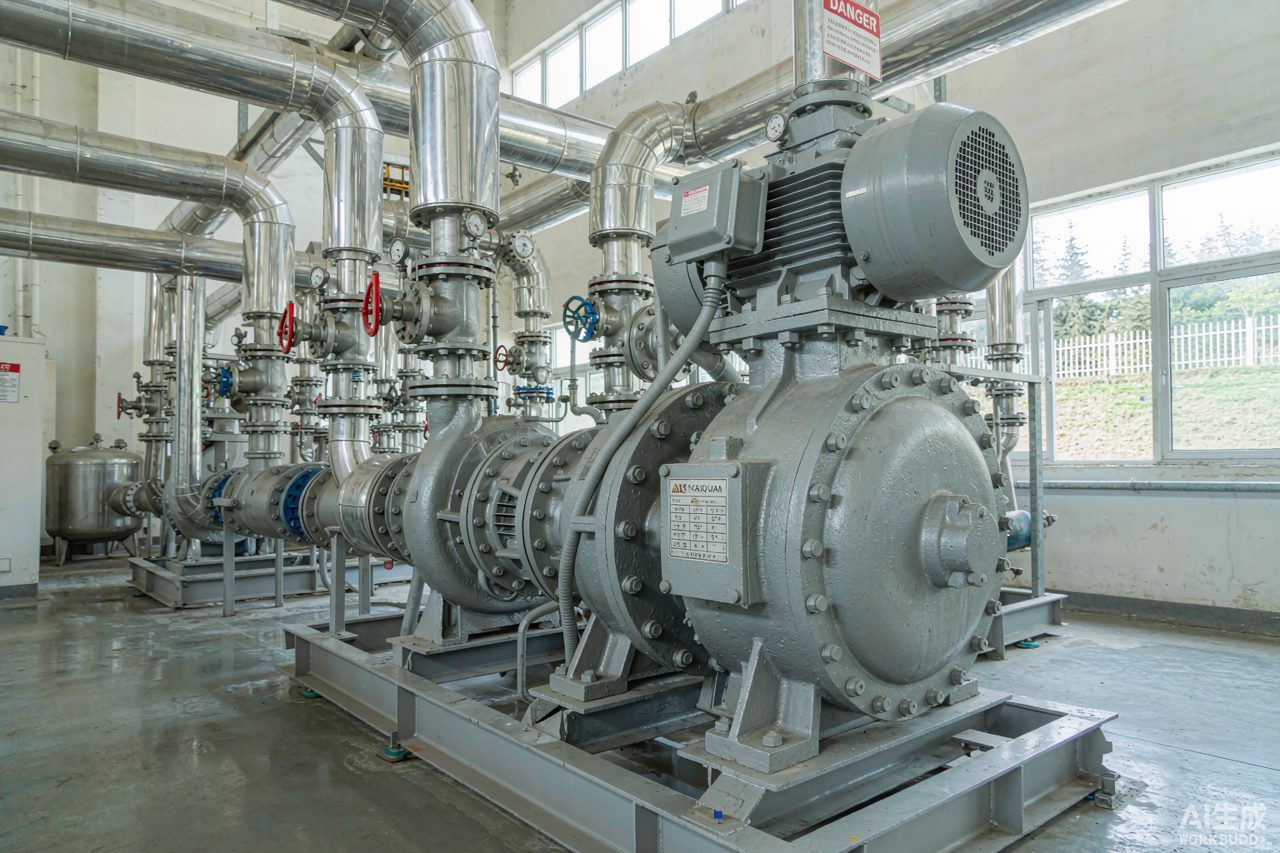
When a centrifugal pump vibrates, cavitates or eats seals every six months, the root cause is usually found in the original selection, not in the workshop. A disciplined checklist at datasheet stage prevents most of it.
1. Rate the duty point honestly
Size the pump for the true operating point, not the worst-case guard condition. Selecting for maximum flow plus margin pushes the duty far right of BEP, where radial loads, vibration and shaft deflection all rise. A pump running at 70-120% of BEP flow will outlive one selected at 150%.
2. Verify NPSH margin
Compare available NPSH from the suction layout against the pump curve, and demand a margin - 0.6 m minimum, 1 m or more for hot water and hydrocarbons with high vapor pressure. Suction-specific speed matters too: impellers with very high suction specific speed lose margin tolerance quickly.
3. Check the piping layout, not just the pump
A flat reducer directly on the suction flange creates gas pockets. An elbow mounted in the plane of the shaft causes uneven flow into the impeller. Both are free to fix on paper and expensive to fix after startup.
4. Confirm the fluid data
- Density and viscosity at operating temperature, not at design standard conditions.
- Solids content and particle size - this decides whether you need a hard-metal or rubber-lined slurry pump rather than a standard iron casing.
- Corrosiveness, which drives the metallurgy and the seal flush plan.
5. Look at the whole curve
Flat curves suit branched networks with stable heads. Steep curves suit systems where static head dominates. If two pumps run in parallel, steep-and-similar curves share load cleanly; mismatched parallel pumps fight each other and one rides shutoff.
6. Size the driver for end-of-curve
Centrifugal power draw rises with flow. A motor sized only for the duty point trips when the control valve opens wide or the system head drops. Standard practice: motor rating must cover pump power at the end of the curve, with the service factor as margin, not as plan A.
7. Ask about the seal plan before the price
The mechanical seal and its flush plan (per API 682) determine more downtime than the hydraulics. A Plan 32 flush on a dirty service, or a dry-running single seal on a standby pump with no venting, will both generate repeated failures no matter whose brand is on the casing.
Bottom line
Two bids with identical duty points can behave completely differently in the plant. Spend the extra hour verifying these seven items against the vendor curve sheet - it is cheaper than a single unscheduled shutdown.