Control Valve Cavitation: Causes, Symptoms and Practical Fixes
Cavitation destroys control valve trims with a sound like gravel in the line. Understanding the pressure profile across the trim explains both the damage and the cure.
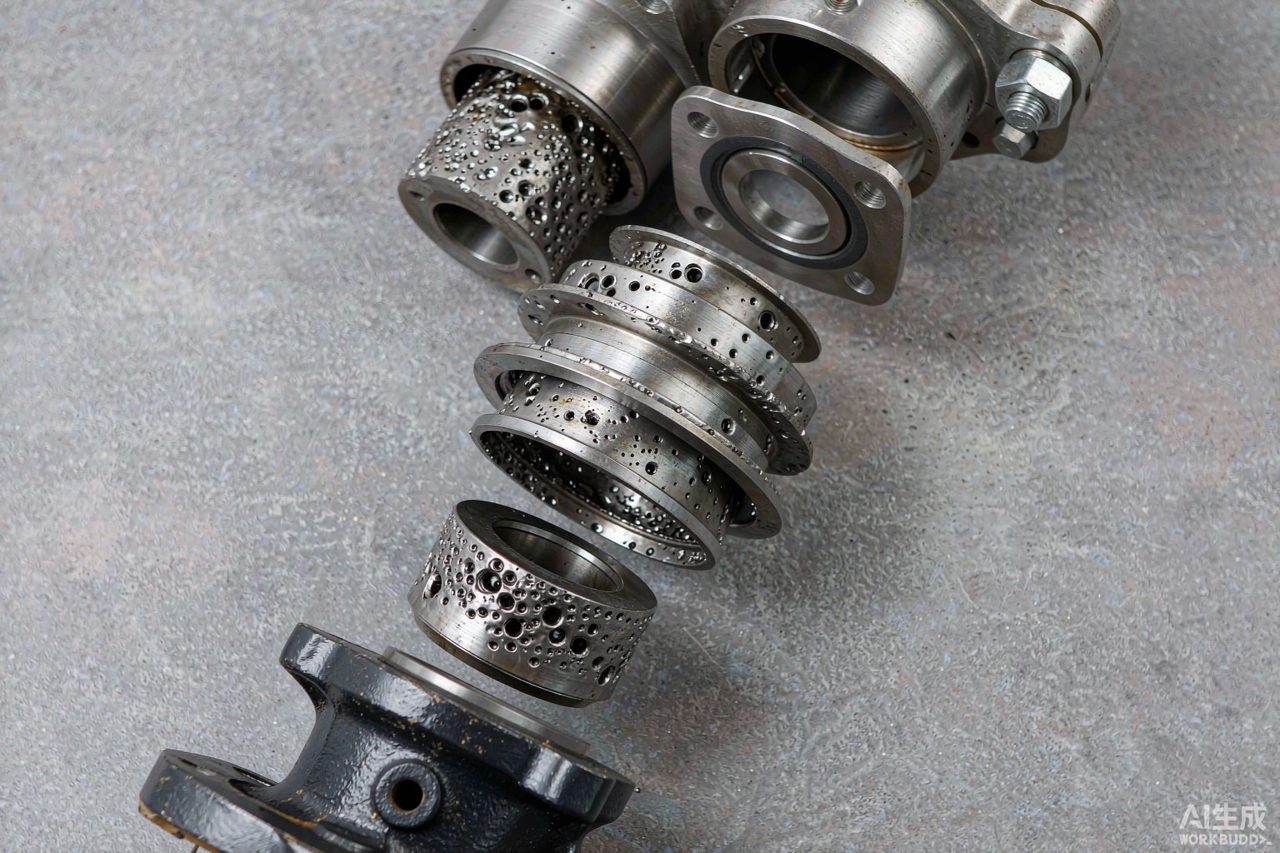
A control valve that sounds like it is passing gravel is destroying itself. Cavitation is the most expensive flow phenomenon in liquid control service, and it is also one of the most preventable once the pressure mathematics are understood.
What actually happens
As liquid accelerates through the narrowest point of the trim, static pressure drops. If it falls below the fluid's vapor pressure, vapor bubbles form. Further downstream the jet decelerates, pressure recovers, and the bubbles collapse violently against metal surfaces. Each collapse is a micro water-hammer - thousands per second - that pits hardened trim into sponge metal within months.
Symptoms in the field
- A distinct rattling or gravel noise that rises with flow.
- High-frequency vibration appearing on downstream pipework before the valve body itself.
- Trim parts - plug, seat, cage - showing pitting concentrated just past the seat line.
- Flow capacity drifting downward over time as damage roughens the flow path.
The numbers to check
Compare two figures from the process data: the pressure drop across the valve and the difference between upstream pressure and vapor pressure. The relevant index is the ratio of these values. When the drop is a large fraction of the available pressure above vapor pressure, the valve is in the danger zone regardless of brand.
Fix 1: move the pressure drop
Often the cheapest cure is not in the valve at all. Put part of the drop into an orifice or a second valve downstream, or let a longer pipe run absorb it. The control valve then operates on a pressure profile that never crosses the vapor pressure line.
Fix 2: change the trim
Anti-cavitation cages split one large drop into many small staged drops, each staying above vapor pressure. Drilled-hole cages and stacked-disk designs handle severe service; they cost more up front and less over a decade.
Fix 3: change the geometry
Flow-to-open direction with the jet directed into an open volume, larger valve size at the same drop, or an angle valve discharging downward into liquid - all reduce the collapse intensity at the metal surfaces.
Fix 4: accept controlled damage
On intermittent duties, a hardened trim with sacrificial parts and a planned replacement interval can be the economic answer. Not every service justifies an anti-cavitation trim; what every service does need is a conscious decision.
One warning
Cavitation damage is sometimes confused with erosion from particles. The two look similar in a bucket of parts but differ in location: cavitation pits cluster where pressure recovers, just downstream of the seat; erosion scours along the flow path. Diagnosis determines the fix, so take the trim apart and look before ordering replacement hardware.