Air-Operated Diaphragm Pumps for Chemical Duty: Materials That Matter
AODD pumps are the workhorses of chemical transfer, but the pump is only as good as its wetted materials. A material-by-material guide to getting the specification right.
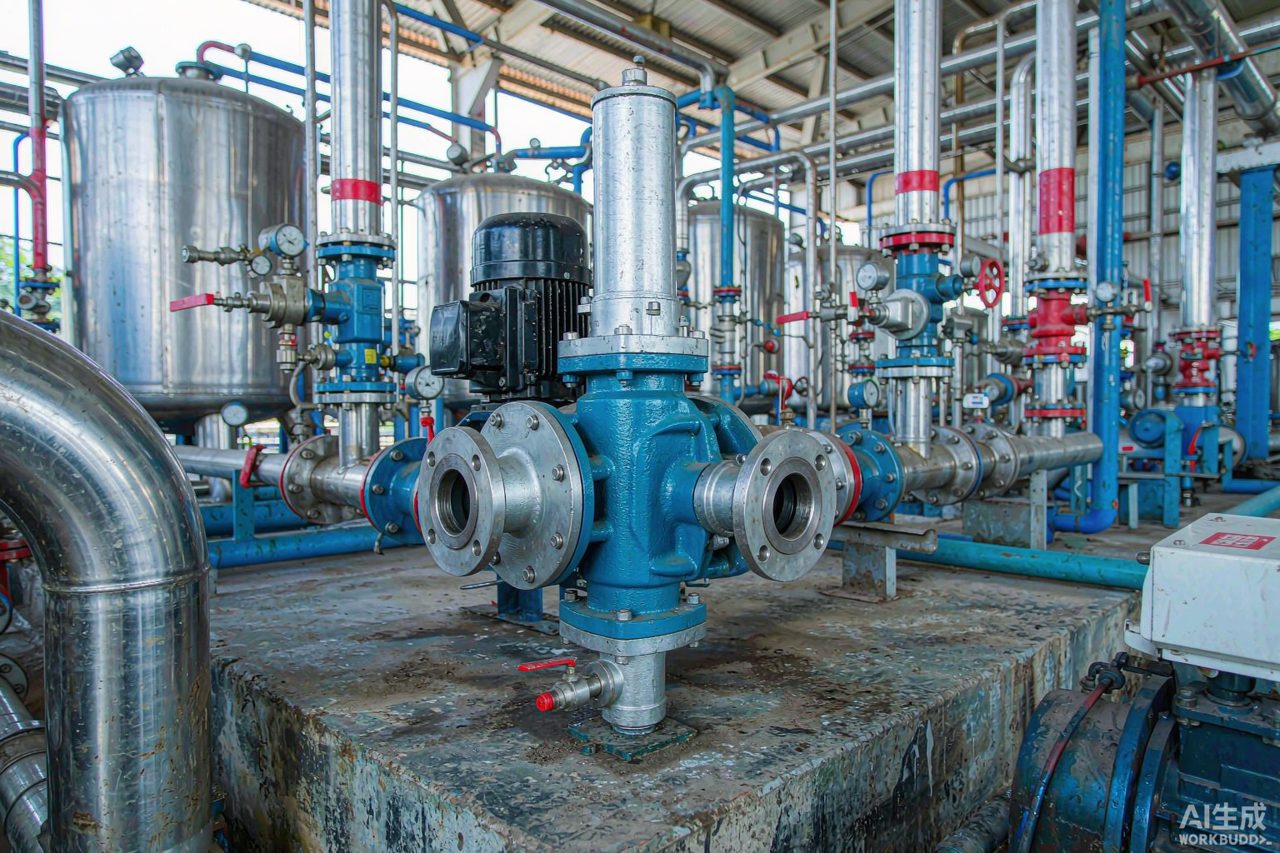
Air-operated double-diaphragm pumps earn their place in chemical plants by being simple: no motor-seal interface, no electricity in the wetted area, dry-run tolerance, and the ability to deadhead without damage. Nearly every AODD failure traced back to the workshop, however, started as a material selection error on the purchase order.
The center section: air valve and seats
The air distribution valve is the heart of reliability. Modern designs use ported polymeric or stainless center sections that resist icing and stalling; older-style valves stall when a diaphragm ruptures and liquid reaches the air side. When comparing quotes, the air valve design tells you more about the pump's quality than the casing color does.
Diaphragms: the real consumable
- PTFE diaphragmshandle nearly all chemicals and temperatures to around 130 C, but they have a flex-life shorter than elastomers and prefer continuous duty over stop-start cycling.
- Hybrid elastomer-backed PTFEdesigns add a rubber inner diaphragm that absorbs flexing, roughly doubling service life on aggressive chemicals.
- Santoprene and Neoprenesuit water-based and mild chemical duty with excellent flex life - the mistake is specifying them for solvents they cannot resist.
- Vitoncovers hot hydrocarbons and many solvents where PTFE flex life would disappoint.
Casing and seats
Polypropylene covers most acids at moderate temperature at low cost. PVDF extends chemical resistance upward, especially with chlorinated and oxidizing media, at the cost of impact strength. Metal casings - aluminum, cast iron, stainless, Alloy C - come into play for solvents, hot fluids and applications where a dropped pump must survive. Alloy C is expensive enough that it should be justified by chemistry, not specified reflexively.
Balls and seats
Ball material usually matches the chemical window: PTFE balls for universality, Santoprene for abrasive slurries with solids, stainless for high temperature solvents. In slurry service, oversized balls and seats specifically designed for solids passage dramatically extend the interval between rebuilds.
Matching materials to the duty
Build a small table for each application: chemical name and concentration, temperature range, solids content, and cycle pattern. Chemical resistance charts from the pump manufacturer are a starting point, but concentration and temperature matter - polypropylene that shrugs off dilute sulfuric acid at 20 C fails quickly at 60 C and 40% concentration.
The specification habit that pays
State the fluid, concentration, temperature and solids on the RFQ instead of writing chemical duty pump. Vendors who respond with a material schedule per wetted part - not a generic broiler plate line - are the ones whose pumps you will not be rebuilding quarterly.