Electric Actuator Sizing: Torque, Duty Cycle and Power Supply
Undersized electric actuators stall; oversized ones destroy seats. Three numbers - breakaway torque, duty cycle and supply behavior - decide the correct unit.
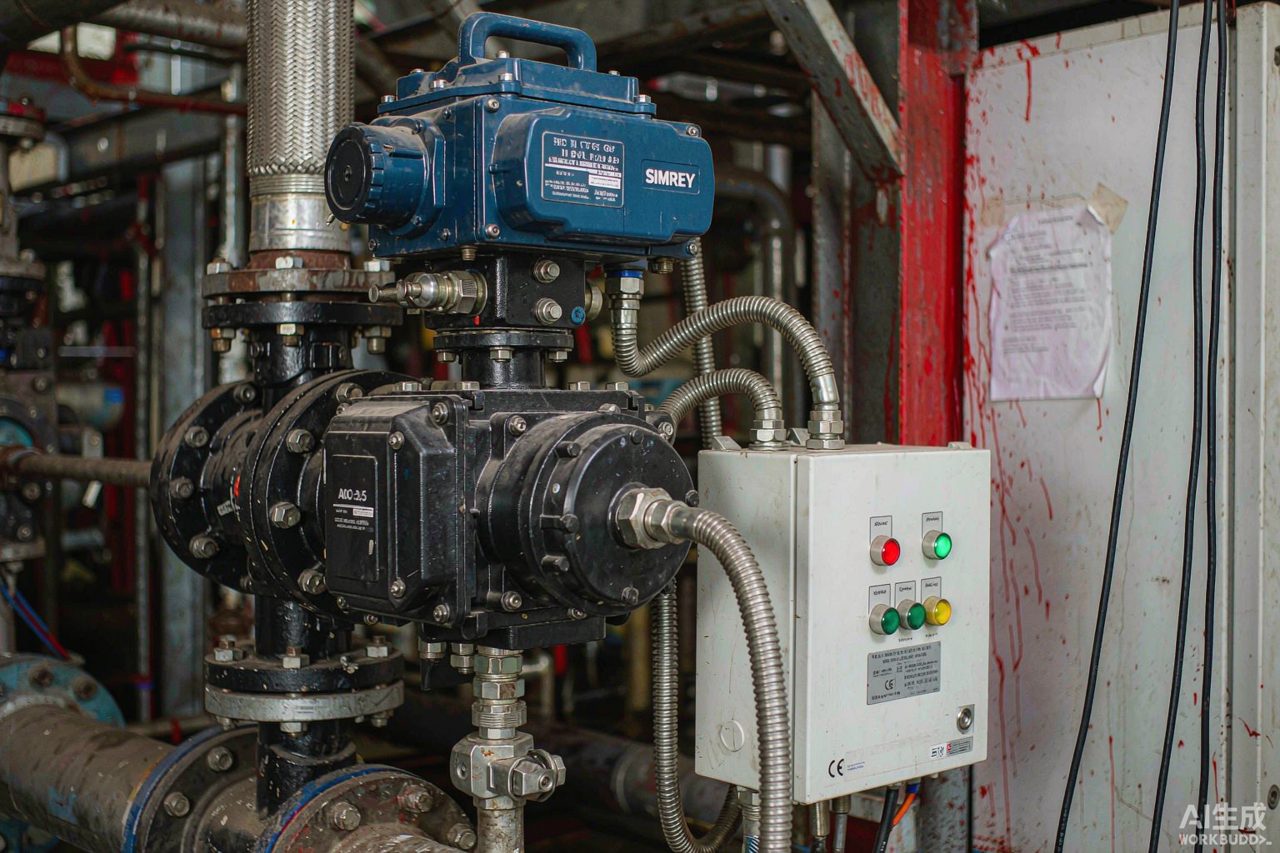
Electric actuator selection errors surface in two ways: the unit that stalls partway on its first autumn morning, and the unit that slams a soft-seated ball valve into early leakage. Both trace back to the same three sizing inputs being guessed instead of measured.
Torque: breakaway is the number
A valve's torque is highest at breakaway from the fully closed or fully open position, drops through mid-travel, and peaks again at seating. Size the actuator to the measured or vendor-stated breakaway and seating torque - with real margin for service growth, typically 25 to 50% - but not so much that a soft seat gets crushed. Torque-seating electric actuators must be set to the valve's seating torque, not to the actuator's maximum.
For gate and globe valves, thrust matters as much as torque: stem nut friction coefficient, stem diameter and pressure loading define the thrust demand, and stem nut material (bronze vs PTFE-lubricated) shifts the numbers significantly.
Duty cycle: the hidden killer
- Basic electric actuators are rated for intermittent duty - often 25% or a defined number of starts per hour. A modulating application that tries to run one continuously will overheat the motor or trip the thermal protection.
- Modulating-duty units with frequency control or dedicated servo motors handle thousands of starts per hour - at a price that only makes sense where the duty justifies it.
- Count the real cycles from the process, not from the design narrative. Valves that balance loop behavior end up cycling far more than their datasheets assumed.
Power supply behavior
Check three things on the electrical side: the actual voltage at the valve during a full-load start (long cable runs sag), the starting current against available supply capacity, and the phase balance on three-phase units - single-phasing is a classic cause of burnt windings that protection did not catch in time. For fail-safe requirements, remember that a standard electric actuator stops where it stands on power loss; spring-return or battery-backup versions are separate products.
Environment and controls
Enclosure rating, ambient temperature range and heater availability for condensation control decide whether the electronics survive. On the control side, confirm the interface early - modulating 4-20 mA units, discrete open-close with torque feedback and fieldbus versions are all common, and converting after delivery is costly.
The checklist
- Breakaway and seating torque (or thrust) with margin, but capped for seat protection.
- Actual cycle rate against duty class.
- Supply voltage, starting current and cable length verified.
- Fail position defined, and a product chosen that actually provides it.
- Enclosure and ambient matched to the installation point.
Ten minutes with this list against the vendor datasheet prevents the two most common field failures - and the third one, buying fail-safe action that was never in the product to begin with.