Fire Protection Valve Requirements Update: What Specifiers Need to Know
Revisions to fire protection system standards and listed-valve requirements are phasing in, affecting specification language for sprinkler and deluge systems.
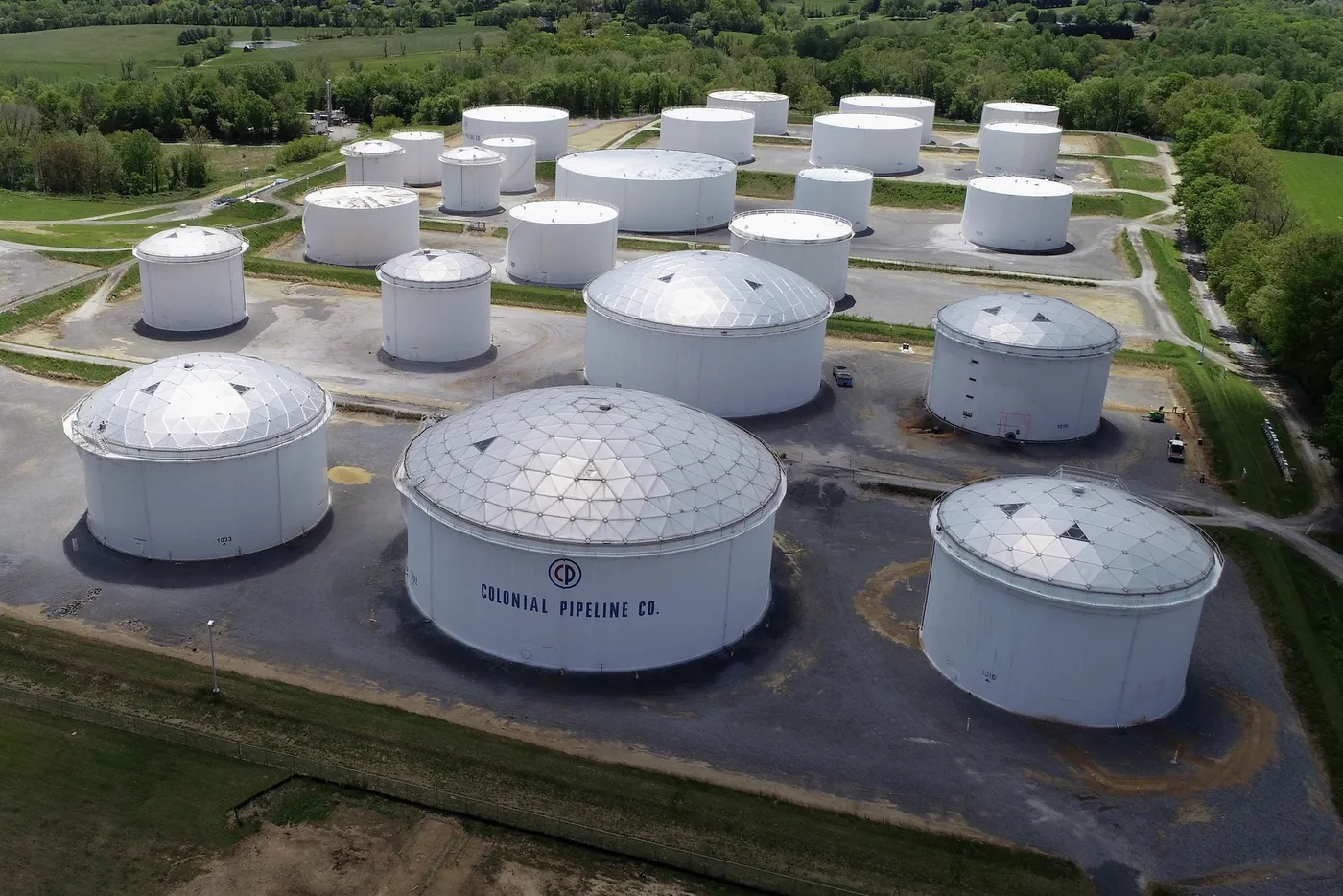
Specifiers of fire protection systems are working through a set of valve requirement updates phasing in during 2026 and 2027. The changes touch listing requirements, supervisory switch provisions and material guidance — details that matter because fire protection valves are among the most regulated products in the industry.
What is changing
Listing bodies have tightened requirements around valve supervision — the electronics that report whether a control valve is open or closed — and around the documentation that manufacturers must maintain for listed products. Several common butterfly valve configurations gained updated listing conditions that specify permitted pressure classes and end connections more narrowly than before.
Material guidance has also evolved, with clearer provisions for the corrosive environments in which fire mains operate, and updated expectations around resilient seat compounds.
Specification housekeeping
- Check that specified butterfly configurations match current listing conditions
- Supervisory switch provisions are more strictly defined than before
- Material guidance for buried and corrosive service has been clarified
Most of the changes formalize good practice rather than revolutionize it. The risk lies in stale specifications — template documents that reference superseded listing conditions. Specifiers and purchasing teams should synchronize their standard documents this year, before the next project audit finds the mismatch.
Coordination With AHJs
In practice, fire protection valve specifications succeed or fail in coordination with the authority having jurisdiction. Local AHJs interpret listing conditions differently, and the updated requirements give them more explicit language to enforce. Contractors report the smoothest approvals where specifiers attach the listing documentation directly to submittals rather than relying on catalog references. A small documentation habit, but it removes a recurring source of construction delay.
What is changing
The updates moving through fire protection standards concentrate on three areas. Testing rigor is increasing, with more frequent witness requirements and tighter acceptance criteria for both shell and seat performance under fire exposure. Material verification is strengthening, since fire-safe performance depends on body and seat behavior at temperature, and undocumented material substitutions have real consequences. And system-level documentation is expanding, connecting individual valve certification to installed assembly performance. None of these changes surprises quality manufacturers — most have operated to these levels for years — but they raise the floor, and the floor is where much of the market's price competition lives.
Implications for buyers and suppliers
For buyers, the updates argue for early supplier verification. Certificates to the new requirements take time to appear, and transition-period purchases should confirm which version a product is certified to — a detail that matters at inspection, not just at audit. Suppliers already certified to the stricter criteria gain a selling window in which their compliance is a differentiator rather than a baseline. Manufacturers still transitioning face a defined deadline with real work behind it: documentation, retesting, and sometimes seat material changes. The pattern repeats an industry regularity — standards raise costs once and quality permanently, and the suppliers who move early convert compliance into market share.