Gate Valve Wedging: Why Gates Stick and How Design Prevents It
An engineer's guide to the mechanics of gate valve wedging and stuck gates — solid, flexible and parallel gate designs, thermal lock, maintenance practice, and smarter selection.
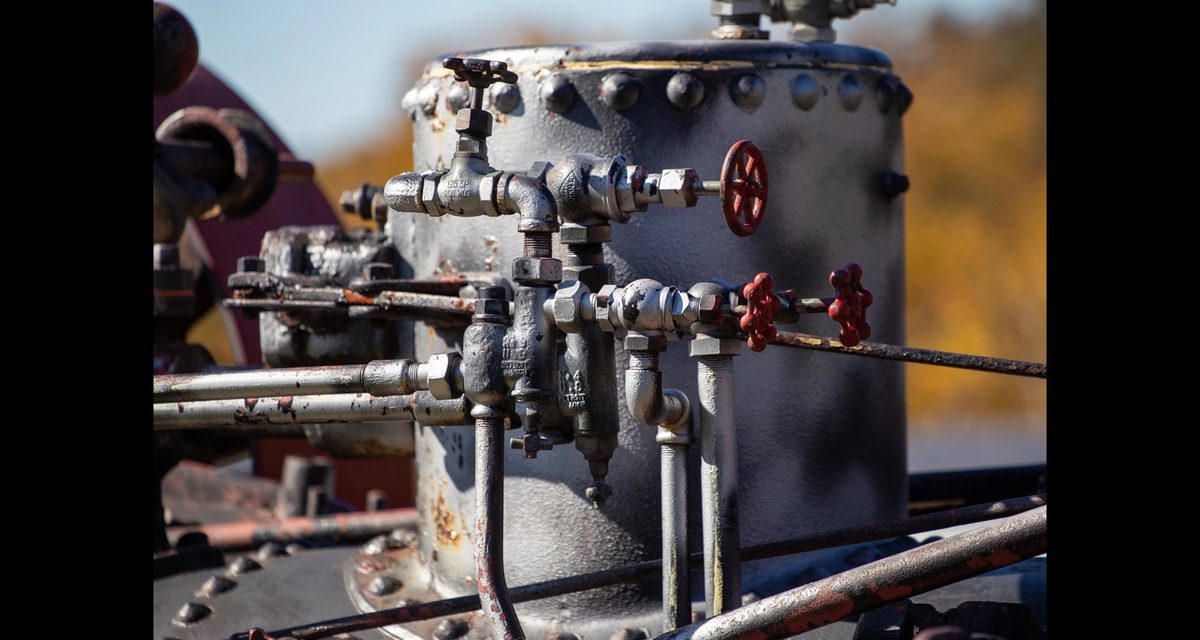
A Valve Designed to Sit Still Will Eventually Refuse to Move
Gate valves spend most of their lives wide open or tightly shut, and that is precisely what makes them vulnerable. Between operations — months, sometimes years — the closure element has every opportunity to bond itself to the seat: rust bridges the contact line, scale and corrosion products settle into the wedge gap, and the metal itself creeps under sustained compressive load. When the operator finally spins the handwheel, the valve fights back. Every maintenance engineer has met the gate valve that took a cheater bar, heat, and a small committee to open.
Sticking is not bad luck. It is the predictable outcome of a wedge mechanism meeting time, temperature, and dirty fluid. Understanding the mechanism points directly at the design features and maintenance habits that prevent it — and at the operating mistakes that cause it.
The Wedge Principle and Why It Can Betray You
The classic wedge gate valve seals by forcing a tapered wedge into a pair of inclined seats. The wedge angle converts stem thrust into enormous lateral sealing force — that is its virtue, and its vice. The same geometry that clamps the wedge shut will, under the wrong conditions, clamp it permanently.
Consider what happens while the valve sits closed. The wedge is under sustained thrust, pressed against seats that may be microscopically rough. Corrosion products grow in the contact line, a process metallurgists call fretting-assisted oxidation: the minute movement and moisture at the metal interface generate oxide that bridges the gap. Add any solid in the line — sand, weld slag, mill scale — settling into the seat pocket, and the wedge is effectively cemented in place. When the stem finally pulls, it must tear that bond before the gate moves a millimeter.
A wedge gate valve therefore carries a hidden maintenance debt: every idle month accrues interest, and the interest is paid in torque.
Thermal Locking: The High-Temperature Trap
In hot service the wedging mechanism gets a second, faster-acting failure mode. Close a gate valve on a hot line — steam, thermal oil, hot hydrocarbons — and the entire assembly is at uniform temperature. Now the valve is left shut and the line cools, or the valve is closed immediately after shutdown while the body is still expanding. The wedge and seats, made of different sections and thicknesses, cool and contract at different rates. The wedge, clamped between two contracting seats, can become geometrically locked — squeezed far tighter than any handwheel force intended.
The classic sequence is closing the valve hot and trying to open it cold. The stem thrust required to break thermal lock can exceed the actuator rating, bend the stem, or crack the bonnet. Experienced steam fitters know the countermeasure: on high-temperature service, crack the valve open slightly before it cools, or accept the consequences. Modern specifications for high-temperature gates increasingly demand designs that tolerate the differential contraction — more on those below.
Wedge Designs: Solid, Flexible, Split, and Parallel
Valve designers have spent a century attacking the sticking problem, and the result is a family of closure geometries, each with a different answer:
- Solid wedge: one-piece, rigid, simplest and cheapest. Tolerates vibration and flow shock well, but demands careful seat alignment; a slightly twisted body or pipe strain translates directly into jamming risk. Best in moderate temperature, moderate duty.
- Flexible wedge: a one-piece wedge with a circumferential groove or cut that lets the rim flex slightly. The gate can distort to match seat misalignment and absorb differential thermal contraction without losing seat contact — the standard choice for high-temperature steam service, precisely because it resists thermal locking.
- Split or two-piece wedge: the wedge is cut into halves that can each seat independently, forgiving large misalignment and deposit buildup, at the cost of more parts and potential chatter.
- Parallel double disc: two parallel discs pushed outward against parallel seats by a spreader between them. Sealing is mechanical and independent of wedge angle, so there is no geometry to lock. Excellent for oil, gas, and waterworks duty where thermal wedging and debris jamming are concerns.
Notice the pattern: the more the design decouples "closing" from "forcing," the less it sticks. The flexible wedge flexes to fit rather than jamming; the parallel disc spreads instead of wedging.
The No-Wedge Alternative: The Slab Gate
Pipeline practice went further and eliminated the wedge entirely. The slab gate valve — covered in detail elsewhere on this blog — seals with a flat plate pressed to the seat by line pressure and seat springs, with no taper to lock and no wedging angle to overdrive. On long transmission lines where a seized sectionalizing valve is a safety incident, not just a nuisance, the no-wedge philosophy dominates. It is worth stating plainly: if a valve must operate reliably after years of idleness in dirty or thermally cycling service, the wedge gate is usually the wrong starting point.
Stem Nut, Lubrication, and the Maintenance Half of the Problem
Not all sticking happens at the wedge. Between the handwheel and the gate sits the stem nut — a bronze or ductile iron nut riding on the stem threads, buried in the yoke where dirt, moisture, and paint overspray accumulate. A seized stem nut produces exactly the same symptom as a wedged gate, and it is far more common.
Sound practice is unglamorous but effective:
- Grease the stem nut and stem threads on a documented schedule, with a grease compatible with the service temperature.
- Exercise every gate valve periodically — full close and open, or at least a partial stroke — under controlled conditions. Movement prevents corrosion bonding better than any coating.
- Keep stem protectors and packing follow-up hardware intact; a bent stem from careless cheater-bar use guarantees future binding.
- Check backseat and packing condition during exercising, since a leaking gland is the usual early warning that the valve has been neglected.
Facilities that run a disciplined exercising program report astonishingly few stuck gates. The mechanism is not mysterious; it simply wants to move occasionally.
Over-Torque: The Repair That Breaks the Valve
When a gate does stick, the human response makes everything worse. A stuck wedge never "needs more force" — it needs diagnosis. Forcing it with a pipe extension on the handwheel can bend the stem, shear the stem-to-wedge connection, crack a cast bonnet, or destroy the wedge seat faces so the valve never seals again. Breaking the valve open by force on a pressurized line turns a maintenance nuisance into a process safety event.
The professional sequence for a stuck gate is simple: confirm the line is depressurized where possible, apply steady torque to the rated limit, then stop and investigate — back off, tap the bonnet to shock the corrosion bond, warm or cool the body deliberately, and only then escalate to careful mechanical assistance. Knowing the valve's rated stem torque and having it documented is part of the answer.
Choosing a Design That Will Not Stick
Selection decisions that prevent wedging before it starts:
- Hot service above roughly 400 °C: flexible wedge or parallel slide construction, never a tight solid wedge without thermal analysis.
- Dirty or depositing service: parallel double disc, slab gate, or a globe-type or knife gate alternative suited to the duty; avoid narrow-gap wedges that trap debris.
- Infrequent-operation isolation: build an exercising regime into the operating procedure, or select a design whose sealing does not depend on sustained wedging force.
- Actuated valves: size the actuator for breakaway torque of a stuck valve — a figure the manufacturer can supply — not just the clean running torque. Undersized electric actuators on gate valves are a quiet, chronic failure source.
None of these choices cost more than a single seized-valve shutdown.
Requesting a Recommendation
A manufacturer that produces the full valve range in-house — ball valves, control valves, gate valves, globe valves, check valves, strainers, knife gate valves, plug valves, and butterfly valves — can supply wedge, flexible wedge, parallel disc, and slab gate designs across the full size and pressure range. Send your Valve Schedule or line parameters to the manufacturer's applications team and they will recommend the gate construction, trim materials, and actuation that keep your valves turning.