Gulf Pipeline Program Keeps Regional Valve Procurement Busy Into 2027
Saudi Arabia and the UAE have layered new pipeline awards onto an already deep project portfolio, extending the regional procurement runway well into next year.
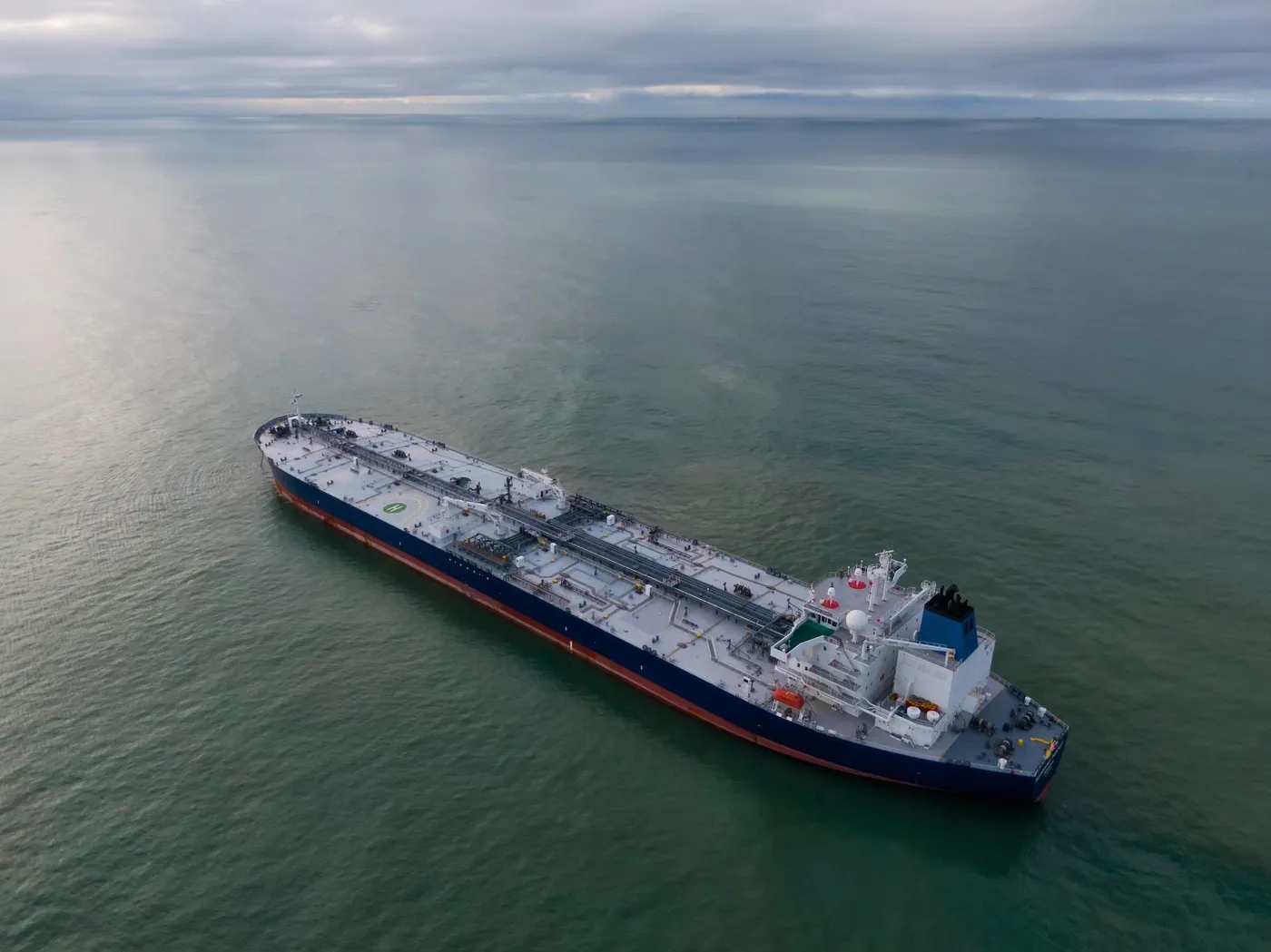
The Gulf states continue to layer pipeline awards onto a project portfolio that already ranks among the deepest in the world. Master gas system expansions in Saudi Arabia, network reinforcement in the UAE, and cross-border interconnection studies keep regional procurement teams writing valve specifications well into 2027.
What the pipeline program consumes
Large-diameter ball valves for transmission service lead the list, followed by slab gate valves, full-bore check valves and the instrumentation valve sets that gather systems require. Fire-safe certification, low-emission packing and hydrostatic testing to API 6D are baseline requirements, and carbon steel body materials dominate with selective stainless use at stations.
Regional content requirements shape sourcing strategy. Programs in both countries weight locally manufactured or assembled products in evaluation, prompting several international manufacturers to expand regional assembly and testing facilities.
Positioning for the awards
- Large trunnion ball and slab gate designs carry the biggest volumes
- Regional content weighting rewards local assembly and testing investment
- API 6D with extended product specification is the entry ticket
Suppliers targeting the program should treat qualification as the long pole: vendor approval cycles at the major operators run six months or more, and the queue lengthens as the award calendar fills. Early registration beats early pricing.
The Testing Load Behind the Awards
Every transmission valve on these programs carries a testing burden that shapes delivery more than machining does. Hydrostatic shell and seat testing to API 6D, optional gas testing for high-integrity service, and functional tests witnessed by the operator's inspectors all consume certified test bench capacity. Regional test facilities have expanded, but witnessed-test scheduling remains the hidden variable in delivery promises — suppliers booking test slots at award, rather than after production, consistently hit their dates.
The project pipeline in outline
The Gulf states' pipeline programs are large, multi-year and increasingly formalized. Gas transmission expansion leads, driven by liquefaction feedgas and industrial conversion programs that require trunk capacity. Hydrogen-blend pilot lines are entering tenders, adding new technical requirements to familiar scopes. And crude and products networks continue replacement cycles that generate steady demand for certified pipeline valves. Procurement follows a recognizable rhythm: framework qualifications run ahead of packages, which are tendered in tranches. Suppliers who track the qualification windows — public, announced, and date-driven — position themselves for the tranche releases; those who respond only to individual tenders compete for leftovers.
Winning requirements
Regional procurement has distinctive emphases that shape outcomes. Local content scoring rewards in-region assembly, stock and service presence, sometimes outweighing unit price in evaluation. Documentation discipline is audited seriously: material traceability and test records per unit are checked, and shortcuts surface. Delivery credibility carries heavy weight, since pipeline schedules synchronize with construction spreads that cannot wait. Successful suppliers treat these as design constraints — building regional presence, documentation systems and reliable logistics — rather than as tender-time adjustments. The pattern across recent awards is consistent: suppliers who invested in the region ahead of demand win packages repeatedly, and their quoted prices are rarely the lowest.