Knife Gate Valves in Pulp and Slurry Service: A Practical Guide
Pulp stock and slurries destroy ordinary gate valves. Knife gates survive because of a thin blade and a sharp edge - but only when the details are specified correctly.
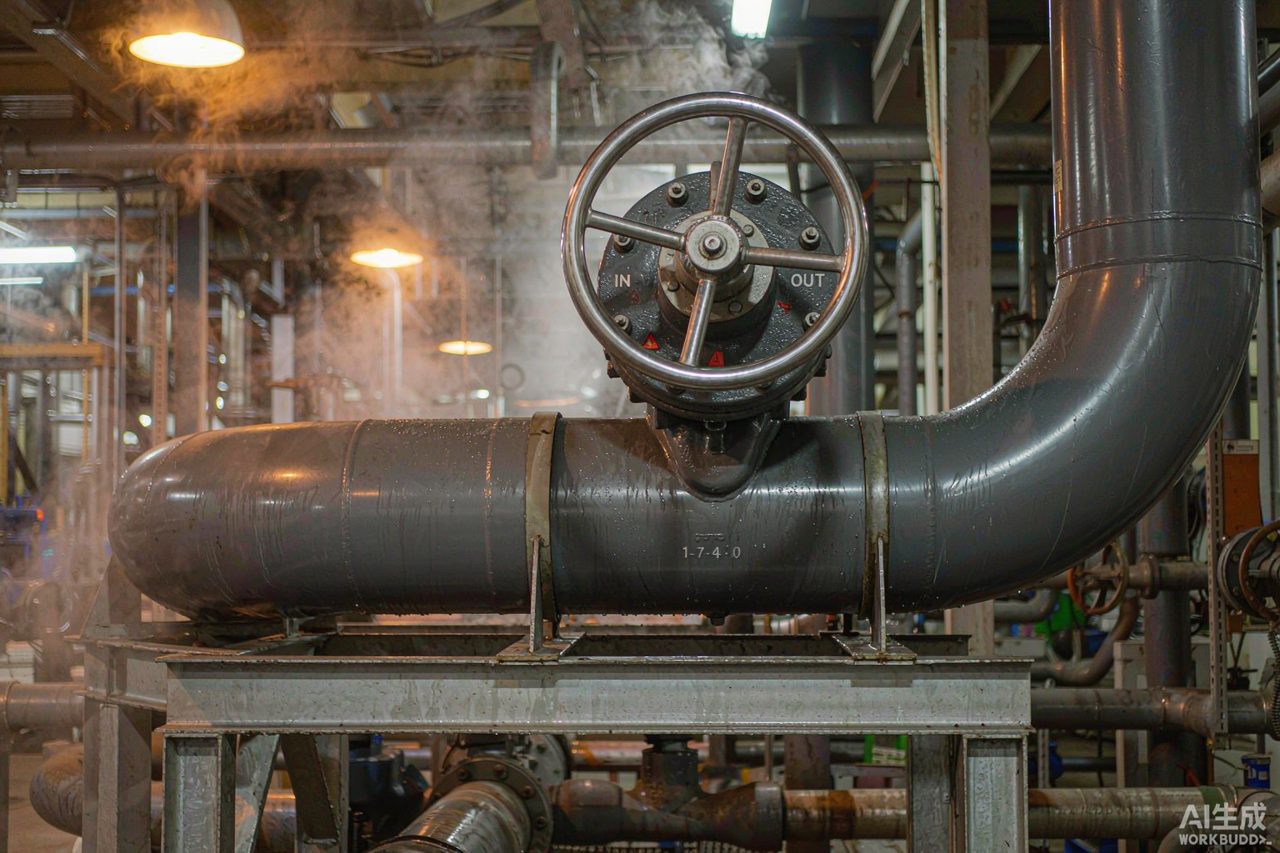
Pulp stock, paper machine approach flow, lime mud, fly ash slurry and mine tailings have one thing in common: they settle, pack and bridge. A conventional gate valve with its deep body cavity becomes a packing box for consolidated solids within weeks. The knife gate valve exists precisely for this world.
Why the thin blade works
The knife gate's blade is a flat plate, typically 3 to 6 mm thick, that cuts through the media and seats at the valve face. There is almost no cavity for solids to pack into. The blade edge shears fibrous stock rather than compressing it, which is why these valves close reliably on stock consistencies that would jam a wedge gate at 20% travel.
Seat design decides everything
- Soft one-way seats(EPDM, urethane) seal tightly on one side and suit tank drain and stock line duty where flow direction is fixed.
- Bi-directional soft seatsallow installation without flow orientation worries but cost more and need better blade flatness.
- Metal seatswith hardened blade edges handle abrasive slurries where elastomers would erode in weeks, at the price of some leakage tolerance.
- Deflector conesahead of the seat keep coarse solids away from the sealing surface on bottom-drain applications.
Packing and gland area
In fibrous service the stem packing area is under constant attack. Modern designs use replaceable packing cartridges or PTFE-impregnated braids with a scrubber ring. Whatever the arrangement, plan for gland adjustment access - a knife gate buried in a stock line with no gland access will leak fibers onto the floor within its first year.
Actuation and cycling
Knife gates are slow strokers by nature, and thick stock demands real force at breakaway. Cylinder actuators with adequate air pressure, or electric linear actuators sized with margin, prevent the classic failure: a valve that stalls mid-stroke and then gets hammered open with a wrench, bending the blade.
Specification details that pay off
State the media precisely - consistency in percent, fiber type, solids hardness, and whether the valve drains down or stays full of stock. Lined bodies (EPDM or PTFE) extend life on acidic white water; stainless blades are mandatory wherever chlorides are present in the process. And always specify the seat on the correct side: a one-way knife gate installed backwards performs worse than a cheap valve installed right.
Handled this way, knife gates deliver years of reliable cycling on media that destroy every alternative. Handled casually, they bind, bend and leak - and the valve type gets blamed for what was a specification shortcut.