Deepwater Projects Drive Subsea Valve Order Books to New Heights
A strong deepwater drilling cycle is feeding demand for subsea valves, where 25-year maintenance-free design requirements command premium pricing.
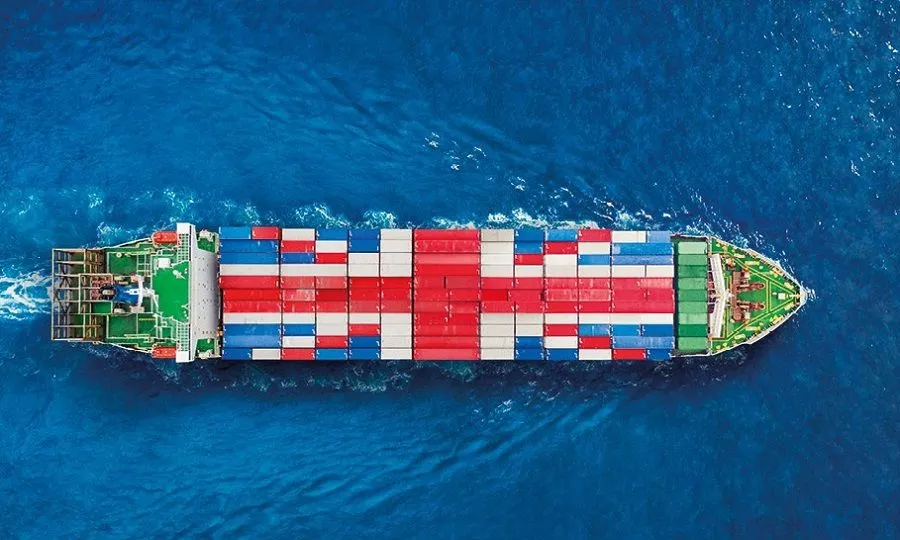
The deepwater drilling cycle has strengthened through 2026, and its valve signature is unmistakable: subsea valve order books at specialist manufacturers are the fullest in a decade. Deepwater developments in the Americas, West Africa and the Eastern Mediterranean all consume valves engineered for a service where retrieval costs are astronomical.
What makes subsea valves different
A subsea valve is designed around one constraint — it cannot be maintained. Designs target 25-year maintenance-free operation, with pressure-balanced trims, seal systems validated across thousands of cycles, and actuation that works against hydrostatic head at depths exceeding 2,000 meters. Qualification includes hyperbaric testing that simulates installation depth.
The supply base is correspondingly narrow: a handful of manufacturers hold the qualification portfolios, class experience and track records that operators require. Order visibility in the segment runs years, and capacity is effectively sold out at several firms.
Signals for the wider market
- 25-year maintenance-free design is the core subsea requirement
- Hyperbaric qualification testing is mandatory and capacity-constrained
- The specialist supply base is effectively sold out through 2027
For general valve buyers, subsea strength matters indirectly: it competes for the same forging capacity and engineering talent as high-end topside products. Expect premium segment pricing to stay firm as long as the deepwater cycle runs.
What Topside Buyers Can Learn From It
Subsea engineering discipline travels well. The reliability methods behind 25-year maintenance-free design — failure mode review on every seal, cycle testing beyond the specification, material qualification across the full pressure-temperature envelope — improve topside products in critical service too. Buyers specifying high-consequence topside valves increasingly borrow subsea qualification language, and manufacturers report the resulting products fail less. The premium looks smaller once avoided downtime is counted.
Why deepwater is different
Subsea valve orders obey economics that surface projects never see. Intervention cost means a valve must work first time and keep working for its design life, because retrieving it costs multiples of its price. Water depths and pressures push material and design boundaries continuously, and qualification for each new depth rating consumes years before the first order. Reliability data compounds: operators track field failure rates by supplier, and those statistics govern bidding more than catalogs do. The result is a market with high barriers, long memory, and pricing that reflects demonstrated reliability. New entrants exist, but their field evidence accumulates slowly, which is why order patterns change far more slowly than quotations suggest.
The 2026 order picture
This year's deepwater activity concentrates where the resource economics justify frontier costs. Brazilian pre-salt programs continue their steady sequence of developments, consuming engineered valves at volumes that justify dedicated capacity. West African projects advance with international operator backing, and Gulf of Mexico activity benefits from infrastructure-led development economics. Each program orders through qualification frameworks that reward incumbency, but expanding volumes eventually exceed incumbent capacity — creating the periodic openings through which qualified challengers enter. Buyers track this balance closely: capacity, not appetite, defines whether their programs wait for valves or not.