
Technical Guides
Valves for FPSO: Weight, Space, and Motion Considerations
How hull motion, weight budgets, and constrained space shape FPSO valve selection, from compact quarter-turn valves to seawater and crude duty materials.
Technical Guides
How hull motion, weight budgets, and constrained space shape FPSO valve selection, from compact quarter-turn valves to seawater and crude duty materials.
Technical Guides
A practical look at valve selection for flare and vent header systems — isolation valves, POVs, liquid seal bypass, molecular seals, purge gas, and the standards that govern them.
Technical Guides
What UL and FM approvals actually mean for firewater valves, how gate and butterfly valves differ in these systems, and the certification details buyers should verify.
Technical Guides
How to specify feedwater regulating valves, minimum flow recirculation, pump discharge check valves, and pressure-seal isolating valves for high-pressure boiler feedwater systems.
Technical Guides
A valve engineer's view of LNG bunkering stations and fuel gas supply systems, covering ESD duty, cryogenic qualification, class rules and real maintenance issues.
Technical Guides
How to choose valves for compression, storage, precooling and dispensing in hydrogen refueling stations, from material science to leakage limits.
Technical Guides
A stage-by-stage look at valve duty in ethanol production, covering slurry service, sieve switching fatigue, corrosion and hazardous-area requirements.
Technical Guides
Corrosion, fiber and heat in the bleach plant: how to specify valves for ClO2, caustic, peroxide and hypochlorite service and avoid the classic failures.
Technical Guides
How to specify valves for abrasive, high-density tailings and paste backfill duty, from erosion and velocity management to failure prevention and safety.
Technical Guides
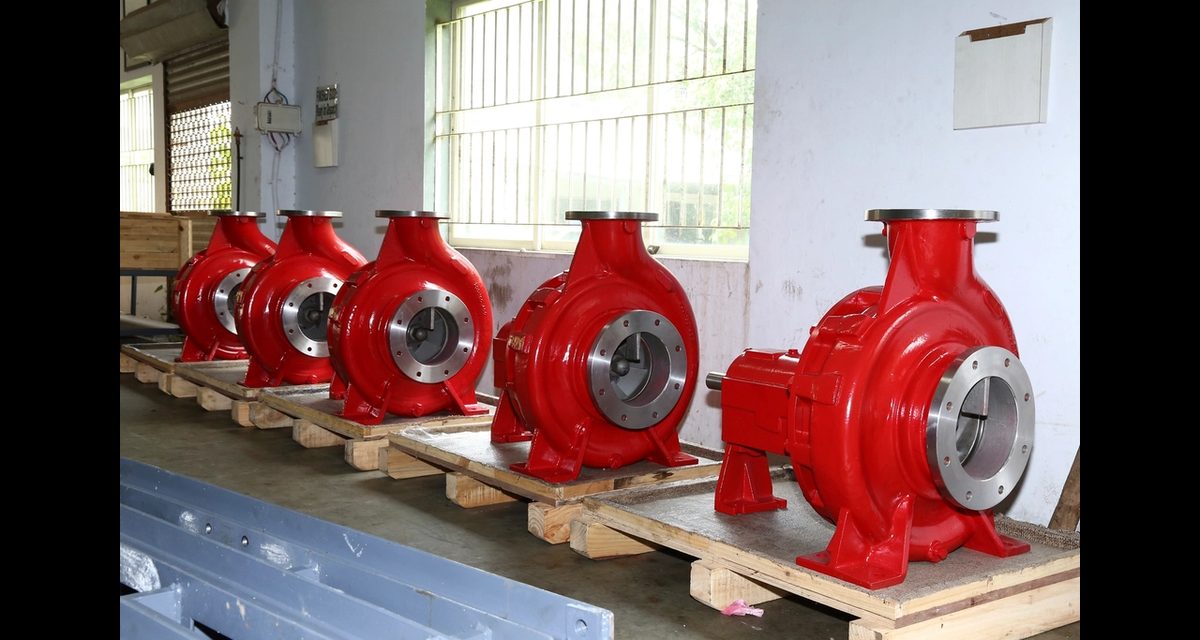
A practical engineering look at why valves erode in sandy, multiphase service, which parts fail first, and what design and operating measures actually extend service life.
Technical Guides
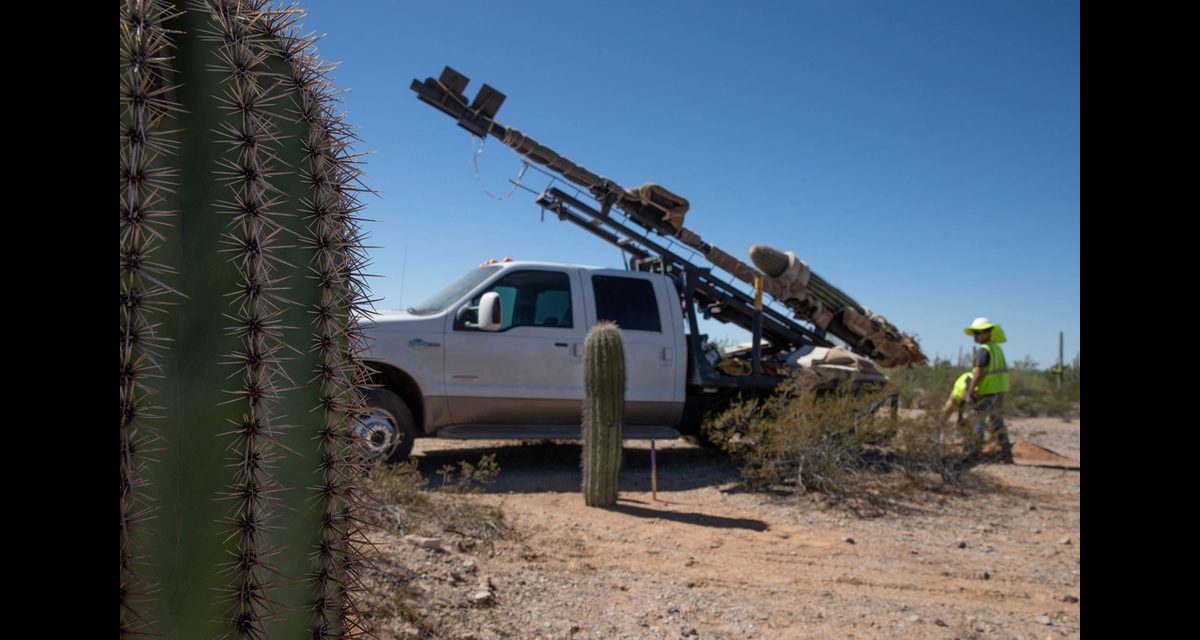
Stem-up is not a stylistic preference. This article explains what happens to packing, actuators and valve cavities when valves are mounted upside down or sideways, and how to get orientation right the first time.
Technical Guides
Most valve leaks start at the flange, not the valve. Here is how face finish, gasket choice and seating stress interact — and what to check before you torque.