Building a Valve Maintenance Program That Actually Gets Done
Every plant has a valve maintenance program on paper. The difference between paper and practice comes down to four design decisions made before the first work order.
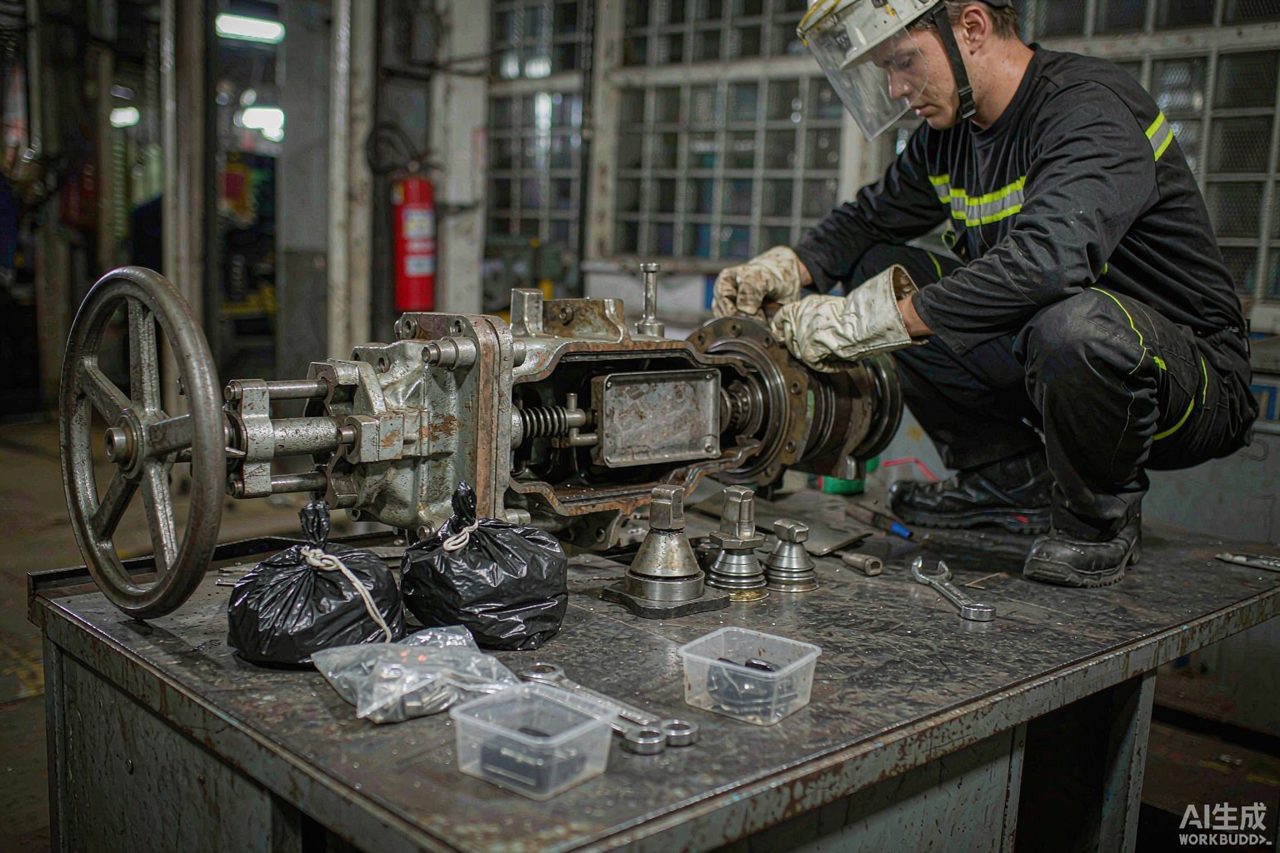
Most plants already have a valve maintenance schedule somewhere in their CMMS. What separates functioning programs from shelfware is not ambition - it is how the program was designed at the start. Programs built around realistic scope and easy execution get executed; programs built around ideals die in their first busy season.
Decision 1: stratify the population
Not every valve deserves the same attention. Classify the inventory by consequence: valves whose failure stops production, endangers people, or triggers environmental releases get full programs; line isolation valves with standby redundancy get lighter treatment; and small-bore vent and drain valves get batch replacement instead of maintenance. A 2000-valve plant usually has fewer than 200 valves in the top class - and knowing that is what makes the budget conversation possible.
Decision 2: exercise on a schedule you can staff
Partial-stroke exercising is the highest-value activity in valve maintenance: it detects packing degradation, frees loaded seats and refreshes lubrication. But a program demanding full strokes of every critical valve quarterly will collapse when the operating schedule tightens. Better a sustainable half-stroke program that happens than an ideal program that does not. Record torque or thrust trends at each exercise - the trend line predicts next year's failures.
Decision 3: standardize repair kits, not repairs
- Group valves by class and size; stock packing, gasket and seat kits per group rather than per tag number.
- Write one-page repair procedures per group: bolt torque sequences, lapping allowances, acceptable seat leakage limits.
- Keep the kits physically near the valves that need them. Friction kills execution faster than skill shortages.
Decision 4: capture data at the valve, not at the desk
Technicians fill in paper in the rain and nobody transcribes it afterward - or they scan a QR tag on the valve and tap three fields on a phone. Mobile data capture with minimal mandatory fields gets done; anything heavier gets faked. The fields worth requiring: date, stroke achieved, torque or effort trend, and leakage observed. Everything else is optional.
Measuring the program
Track three numbers: percentage of planned exercises completed (aim above 90%), number of valves found inoperative per year (should fall), and emergency valve work orders as a share of total valve work (should fall faster). If the completion rate sags two periods in a row, the program is over-scoped - cut scope rather than abandon the program.
The uncomfortable truth
Valve maintenance programs fail socially before they fail technically. The successful ones are modest, scheduled, instrumented with trend data and staffed by people who can see the point of each task. Design for the crew you actually have, and the program will quietly prevent exactly the shutdowns it was created for.